
Culture Is Not What You Say. It Is What You Repeat: How START sees culture.
In most companies culture gets defined early and then slowly fades into documentation while actual behaviour moves in a different direction shaped by pressure, habits, and convenience rather than anything formally written.
Culture is rarely missing. It is usually misunderstood.
Because culture is not what a company claims to value. It is what happens when no one is controlling the outcome, when decisions are made under pressure, and when people default to what feels real rather than what sounds correct.
The Limits of How Culture Is Defined
Most organisations treat culture as something they can design through alignment sessions, internal messaging, and carefully chosen words meant to guide behaviour.
But alignment in language does not guarantee alignment in action, and there is always a gap between what people agree to and how they operate when work becomes real.
That gap is where culture is revealed.
Culture Is Not What You Say It Is
Values alone do not create behaviour. They describe intention, not reality.
When pressure increases and decisions carry consequences, people stop referring to documents and rely instead on what has been reinforced through repetition and environment.
That is where culture becomes operational.
Culture Is Built Through Repetition
Culture does not form through isolated moments but through repeated behaviour that becomes normal, then expected.
It is shaped by what gets rewarded, what gets tolerated, and what gets repeated without question.
That is why culture is slow to build and difficult to change.
Why Most Cultures Drift
Most cultures do not collapse suddenly. They drift.
Standards lower slightly. Accountability softens. Performance becomes less consistent.
Nothing feels broken, which is why it continues.
Culture fails through tolerance, not disruption.
How START Sees Culture
At START culture is not separate from performance. It is the environment that determines how performance happens in real conditions, especially in face to face execution where trust is built directly through human interaction.
Culture is not something that describes the work.
It is what makes the work work.
In START, we live our culture.
It is not a statement. It is a daily standard shaped by what we do, where we operate, and how we show up.
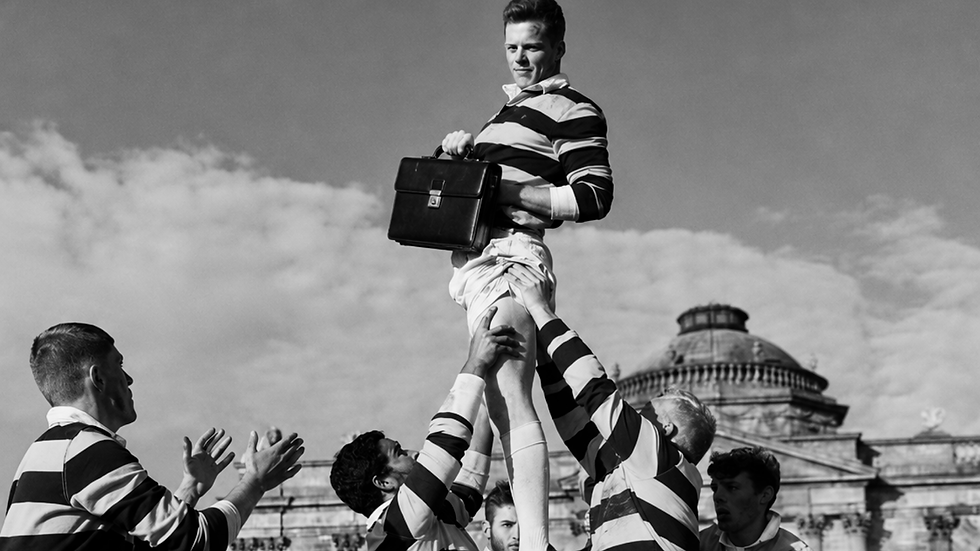
Our culture is built around clear pillars that define the world we operate in — Sports, Culture, Sales, Style, Music, Community, and Performance.
These are not themes we reference.
They are environments we exist in.
They shape how we think, how we communicate, and how we build momentum together.
The Three Layers of START Culture
Performance as Standard
Performance is the baseline, not an outcome.
Effort alone is not enough unless it becomes measurable impact in real markets.
Presence as Trust
Presence is not image. It is how people communicate and operate under pressure without structure or script.It is what creates trust before anything is said.
Standards as Control
Standards protect the environment from dilution.They define what is required to operate here and do not shift for convenience.
Culture Is the Real System
Most businesses scale communication. Culture scales behaviour.Behaviour is what compounds. Communication fades.That is the difference between activity and consistency.
Final Thought
Culture is not a layer of the business.It is the business.At START it is not explained.It is demonstrated through what is accepted, repeated, and expected when performance meets reality.


Comments